
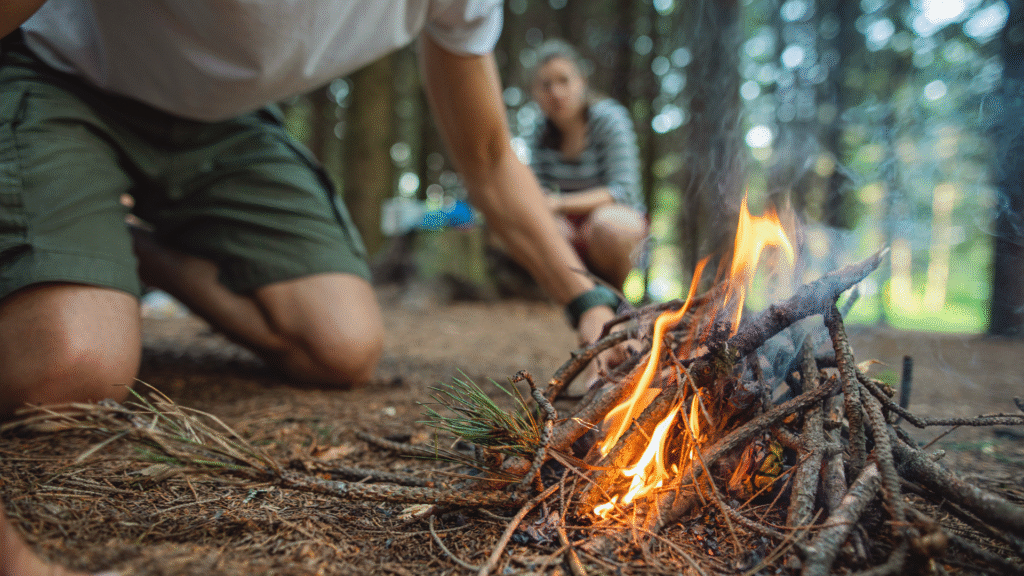
Traveling to the great outdoors opens up a world of adventure, but it also comes with its own set of challenges. Mastering simple outdoor skills can greatly enhance any traveler’s experience, ensuring safety and enjoyment during their journeys. From setting up a campsite to navigating with a map and compass, these essential skills empower travelers to tackle diverse environments with confidence.
Many people underestimate the importance of basic outdoor knowledge. A little preparation can make a significant difference when faced with unexpected situations, such as sudden weather changes or navigation challenges. Acquiring these skills not only prepares travelers for the unknown but also enriches their connection with nature.
Traveling isn’t just about reaching a destination; it’s about the experiences along the way. Learning simple outdoor skills allows individuals to engage more fully with their surroundings and fosters a spirit of adventure. Embracing these abilities transforms the experience from merely visiting to truly exploring.
Foundational Outdoor Skills Every Traveler Needs
Travelers benefit significantly from a range of foundational outdoor skills. These competencies enhance their safety and overall experience in the wilderness. Understanding the difference between outdoor skills and survival skills is crucial in preparing for outdoor adventures.
Understanding Outdoor Skills vs. Survival Skills
Outdoor skills encompass a broad range of abilities that improve any outdoor experience. These can include navigation, setting up tents, cooking over a fire, and identifying edible plants. They enhance enjoyment and comfort in the outdoors.
Survival skills, while often prioritized, focus more on life-saving techniques like finding water and making shelters. Both skill sets overlap, but the emphasis varies. Travelers should cultivate both types, as good outdoor skills support effective survival skills when necessary.
How Outdoor Skills Enhance Safety and Experience
Developing outdoor skills greatly enhances safety during travel. For instance, basic navigation skills can help prevent getting lost. Knowing how to use a map and compass or a GPS device is vital.
Cooking skills ensure travelers can prepare nutritious meals, which is essential for maintaining energy levels. Additionally, mastering fire-making techniques provides warmth, light, and a means to cook food.
Finally, awareness of local wildlife and plant life contributes to safety. Recognizing poisonous plants or understanding animal behavior can help avoid dangerous situations. These competencies not only mitigate risks but also enrich the outdoor adventure experience.
Essential Navigation Skills
Navigator skills are vital for travelers wanting to explore the outdoors confidently. Understanding how to read maps, utilize a compass, and operate GPS devices enhances safety and independence during adventures.
Reading a Topographic Map
Topographic maps display terrain using contour lines. Each line represents elevation, allowing travelers to visualize hills, valleys, and slopes easily. By identifying key features like rivers and trails, a hiker can plan their route effectively.
To read a topographic map, one must recognize the scale and contour intervals. This information shows the physical landscape’s steepness and distance. Familiarity with symbols is also crucial, as they provide information about landmarks, trails, and water sources. Practice by comparing a map to the physical landscape to build spatial awareness.
Using a Compass Effectively
A compass is an essential tool for navigation. The traveler must learn to use it in conjunction with a map. The key lies in understanding how to align the compass with the map to determine direction.
To use a compass, hold it flat in their palm and rotate their body until the needle points to the north on the compass dial. The traveler can then take a bearing by aligning the compass housing with their destination. It is important to account for magnetic declination, as it can differ based on location. Regular practice will improve accuracy and confidence.
Mastering GPS Devices and Navigation Apps
GPS devices and navigation apps have transformed outdoor navigation, combining convenience with functionality. These tools provide real-time location tracking and detailed maps, which are crucial for navigating unfamiliar areas.
Familiarity with the device or app interface is essential. Travelers should know how to input waypoints, read map features, and utilize offline maps. Battery management is also critical; they must ensure their devices are charged and consider portable chargers for extended trips.
By mastering these modern navigation tools, travelers can enhance their ability to explore while staying oriented in various landscapes.
First Aid Fundamentals for the Outdoors
A solid understanding of first aid skills can make a significant difference in outdoor situations. Knowing how to build a first aid kit and treat common injuries, as well as manage conditions like hypothermia and dehydration, ensures a safer travel experience.
Building and Packing a First Aid Kit
A well-organized first aid kit is essential for outdoor activities. It should include the following items:
- Adhesive bandages: Various sizes for cuts and scrapes.
- Gauze pads and tape: For larger wounds, along with antiseptic wipes.
- Tweezers: To remove splinters or ticks.
- Scissors: Useful for cutting tape or gauze.
- Antiseptic ointment: For infection prevention.
- Pain relievers: Such as ibuprofen or acetaminophen.
Packing the kit in a waterproof pouch ensures protection against the elements. Regularly check the contents to replace any expired items and keep it tailored to specific outdoor activities.
Treating Common Outdoor Injuries
Injuries like cuts, scrapes, and sprains can occur frequently while traveling. For minor cuts:
- Clean the wound: Use clean water or antiseptic wipes.
- Apply a bandage: Cover to protect from dirt and bacteria.
For sprains, follow the R.I.C.E. method:
- Rest: Avoid putting weight on the injured area.
- Ice: Apply ice packs to reduce swelling for 20 minutes.
- Compression: Use elastic bandages to wrap the area.
- Elevation: Keep the injury elevated above heart level.
Identifying and treating these injuries promptly helps prevent complications.
Managing Hypothermia, Dehydration, and Heat Exhaustion
Understanding how to manage hypothermia, dehydration, and heat exhaustion is crucial.
Hypothermia occurs when body temperature drops. Symptoms include shivering and confusion. Key actions include:
- Move to a warm, dry place.
- Remove wet clothing and replace it with dry layers.
- Warm gradually using blankets, body heat, or warm beverages.
Dehydration can impair performance and health. Signs include dry mouth and fatigue. To manage it:
- Drink water regularly, aiming for 2-3 liters per day.
- Consume electrolyte-rich drinks during extensive activity.
Heat exhaustion results from prolonged exposure to heat. Symptoms include nausea and heavy sweating. Actions to take are:
- Move to a cooler area.
- Provide fluids with electrolytes to rehydrate.
- Rest until symptoms subside.
Proactively managing these conditions enhances safety during outdoor adventures.
Fire Building and Water Purification Techniques
Mastering fire building and water purification is essential for any traveler. These skills enhance safety and comfort during outdoor excursions and ensure access to vital resources.
Fire Starting Methods for All Conditions
Fire can be started using multiple techniques tailored to various conditions. Some effective methods include:
- Lighter: Reliable and straightforward, a lighter works well in dry conditions.
- Waterproof matches: Ideal for wet environments, they ignite even when damp.
- Flint and steel: This traditional method requires practice but is effective in challenging conditions.
- Bow drill: A more advanced technique that involves creating friction between wood pieces.
Travelers should carry multiple fire-starting tools to accommodate different weather conditions and preferences.
Selecting and Preparing Tinder and Kindling
Choosing the right tinder and kindling is vital for a successful fire. The following materials work well:
- Tinder: Dry leaves, grass, or commercial fire starters provide an initial flame.
- Kindling: Small twigs and branches help to maintain the fire as it grows.
Before starting the fire, travelers should prepare their materials. They should gather enough tinder and kindling to build a small teepee or log cabin structure. This promotes airflow, which aids combustion.
Water Sourcing and Purification in the Wild
Safe drinking water is crucial for survival. Travelers should be aware of potential water sources, such as rivers, streams, and lakes. These sources often need purification to eliminate harmful bacteria or pathogens.
Purification methods include:
- Purification tablets: Convenient for quick disinfection.
- Portable water filters: Effective for filtering out contaminants and improving taste.
When using a filtration system, it’s essential to follow the manufacturer’s guidelines. This ensures the proper removal of impurities, making water safe to drink. Always consider the water source’s visibility and odor before consumption.