
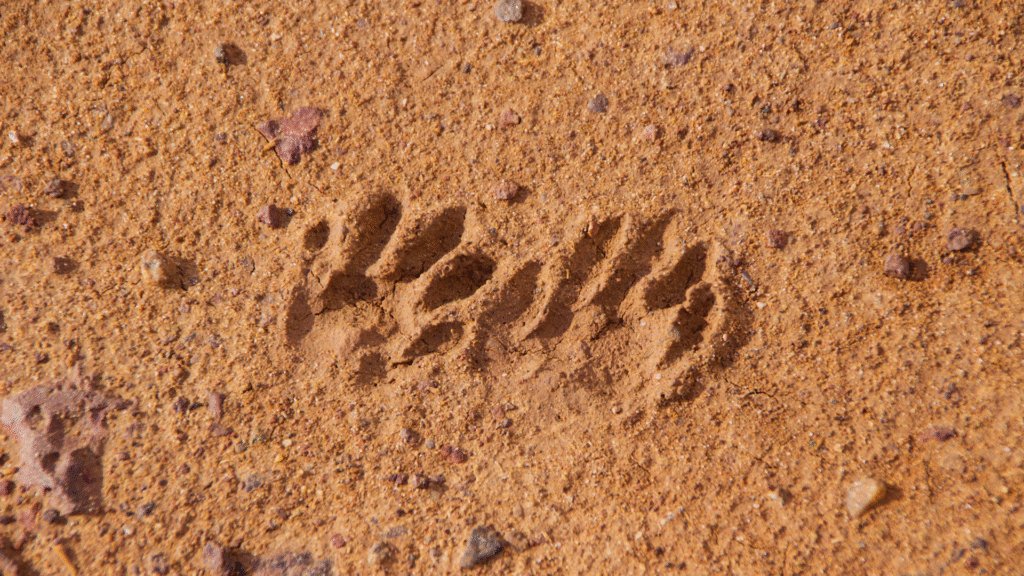
Understanding how to spot animal tracks and signs in the wild opens up a deeper connection to nature. Recognizing prints, droppings, and other signs can reveal which animals are active in an area and provide insights into their behaviors. This knowledge not only enhances outdoor experiences but also fosters a sense of curiosity about wildlife.
Animal tracks differ by species, size, and habitat, making each discovery unique. With practice, anyone can learn to identify these marks and understand the story they tell about the landscape. The ability to distinguish between tracks can lead to thrilling encounters and a greater appreciation for the ecosystem.
Exploring animal signs involves more than just looking at the ground. Factors like the season, weather, and environmental conditions can alter how tracks appear. This article aims to equip readers with practical tips for recognizing and interpreting these signs in various terrains, enhancing their wilderness adventures.
Fundamental Principles of Identifying Animal Tracks
Identifying animal tracks involves careful observation of various distinguishing characteristics. Key features, trail patterns, and behavioral signs all offer crucial information about which animals have passed through an area.
Key Features of Tracks and Footprints
Animal tracks vary in size, shape, and depth, providing valuable clues. The size of a track often correlates with the size of the animal; larger animals like bears will leave bigger impressions than smaller animals like foxes.
Shape is also essential. For instance, canine tracks are typically oval with visible claw marks, while feline tracks often appear rounder with retractable claws not always showing. Depth indicates weight; deeper tracks suggest a heavier animal.
Notable features to observe include the pad structure and arrangement. For example, two main pads and a central claw marking indicate a certain species. Drawing comparisons between multiple tracks enhances accuracy in identification.
Understanding Trail Patterns and Gait
Trail patterns reveal much about animal movement. Animals often follow predictable paths, and understanding their gait helps interpret behavior.
For example, an animal’s walk produces spaced tracks, while a run causes tracks to come closer together. Pacing refers to a lateral movement pattern seen in certain species, like deer, where both legs on one side of the body move together.
Furthermore, recognizing turns, curves, and crossings assists in understanding animal routes and habits. Patterns can indicate feeding or migration routes, making this knowledge useful for wildlife enthusiasts.
Behavioral Clues and Surrounding Signs
Behavioral signs offer insights beyond mere tracks. Scat, chew marks, and scratch marks provide context about what animals are present and their activities.
Scat analysis reveals what an animal eats, with size and shape being indicators of species. For instance, deer scat is pellet-shaped, while carnivores produce more varied forms.
Look for scratched trees or fur on branches, which often indicate territory marking or grooming. Observing these signs alongside tracks contributes to a comprehensive understanding of animals’ behaviors and interactions within their habitat.
Recognizing Specific Animal Tracks in the Wild
Identifying tracks can provide insights into the local wildlife. Observing the unique features of different animals’ tracks enables better understanding and appreciation of their behaviors and habitats.
Deer and Moose Tracks
Deer tracks typically have a heart-shaped mark, about 2-3 inches long, with two distinct lobes at the front. The depth of the track can indicate weight: deeper impressions suggest heavier deer. Additionally, moose tracks are larger, about 4-5 inches long, and have a broader appearance with rounder edges. Both animals tend to leave behind a distinct hoof print, often visible for days after a rainfall. Look for signs such as scraping on trees and flattened grass where these animals have fed.
Bear, Raccoon, and Opossum Tracks
Bear tracks are characterized by their size, with front prints measuring around 6-8 inches. They possess five toes, evident from the claw marks. Raccoon tracks are smaller, about 2-4 inches, and show a unique hand-like shape with five toes on each foot, often leaving marks in mud or sand. Opossum tracks are also distinctive; they feature five toes with a thumb-like structure. The pattern appears asymmetrical and is smaller than raccoon tracks. Recognizing scat and claw marks can further aid in identification for all three species.
Coyote, Fox, and Bobcat Tracks
Coyote tracks measure about 2.5 to 3 inches long, showing four toes with claws visible. They often display a narrow, elongated shape, differentiating them from other canids. Fox tracks are smaller, around 2-2.5 inches, with a more triangular appearance. Both tracks will show characteristic paw patterns, with the fox having a narrower stance. Bobcat tracks typically measure around 2-3 inches as well, displaying round shapes without visible claw marks. They have a distinctive three-toed pattern, which is recognizable in soft ground.
Rabbit, Beaver, and Turkey Tracks
Rabbit tracks are small, measuring about 1-2 inches, featuring a unique pattern of four prominent toes on the front foot and three on the hind foot. Look for the bound tracks typical of rabbits, leaving behind two clear footprints at a time. Beaver tracks reveal large, webbed feet, often with claw marks visible, around 3-4 inches wide. These tracks are frequently found near water sources where beavers build dams. Turkey tracks have three forward-facing toes and a backward-facing toe, giving them a unique appearance. They range in size depending on the species, commonly showing a 3-5 inch footprint.
Essential Tools and Techniques for Tracking Animals
When tracking animals in the wild, the right tools and techniques are crucial. Understanding how to use field guides, honing observational skills, and recording signs accurately can enhance the tracking experience significantly.
Using a Field Guide Effectively
Field guides are invaluable for identifying animal tracks and signs. They typically include images, descriptions, and habitat information. When selecting a field guide, choose one specific to the local wildlife.
To use a field guide effectively:
- Familiarize with Common Species: Learn to identify the most common animals in the area, starting with their footprints and scat.
- Check for Size and Shape Variations: Note differences based on age, size, or species, as these affect tracks.
- Use Illustrations: Compare actual tracks to illustrations to ensure accurate identification.
Having a guide handy enhances confidence during tracking expeditions.
Employing Observation and Tracking Skills
Strong observation skills are critical for successful tracking. This involves more than just looking for footprints; it requires attention to detail in the environment.
Key techniques include:
- Follow the Signs: Look for tracks, scat, and feeding marks. These indicators provide valuable information about the animal’s habits and movements.
- Assess Trail Patterns: Animals often follow specific paths. Analyzing these paths can help predict future movements.
- Be Patient and Quiet: Animals are sensitive to noise and movement. Remaining still and observant increases the chances of spotting animals or their signs.
Practicing these techniques will improve tracking abilities over time.
Recording and Interpreting Signs
Accurate recording of observations is essential for effective tracking. Keeping notes and sketches can aid in recalling specific details later.
Important points to consider:
- Use a Notebook: Document the date, location, weather conditions, and detailed descriptions of tracks and signs encountered.
- Photograph Evidence: Use a camera or smartphone to take photos of tracks and signs for later analysis or sharing with others.
- Interpret Context: Consider surrounding signs such as vegetation changes or other animal activity. This contextual information helps in understanding animal behavior.
This systematic approach enhances the assessment and identification of animal presence in the wild.