
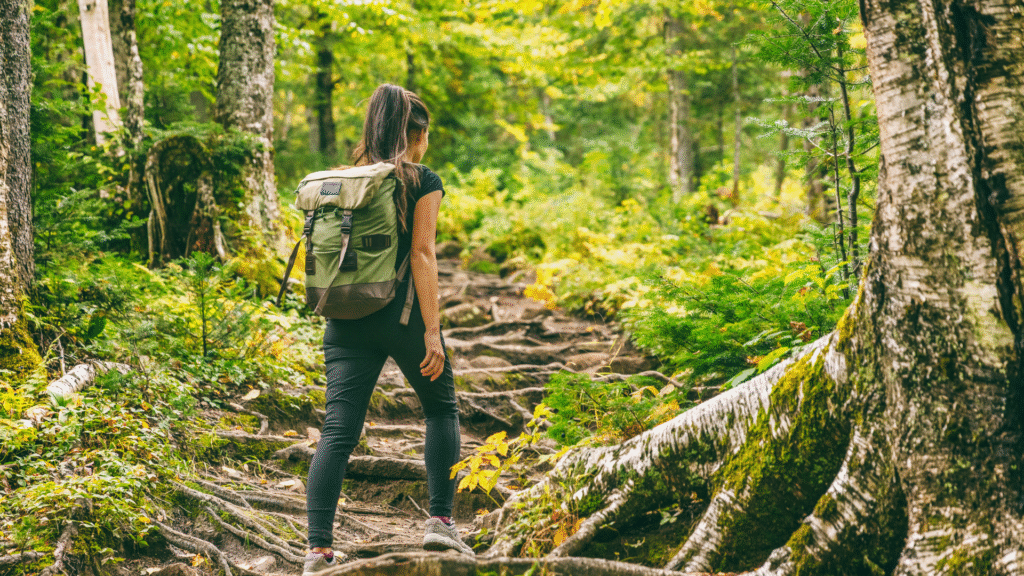
Hiking alone can be a rewarding experience, offering solitude and a chance for self-reflection amidst nature. Nevertheless, safety must always be a priority. To stay safe while hiking alone, she should plan ahead, inform someone about her route, and remain aware of her surroundings at all times.
Preparation is key. She should choose well-traveled trails, check the weather forecast, and pack essential supplies, including navigation tools and a basic first aid kit. Understanding the potential risks involved in hiking can make a significant difference in her experience.
Staying connected is crucial. Utilizing technology, such as a fully charged phone with emergency contacts, can enhance safety. In addition, carrying a whistle or other signaling device can help in case of unexpected situations. By taking these precautions, she can enjoy her hike while minimizing risks.
Fundamentals Of Safe Solo Hiking
Staying safe while hiking alone requires careful planning and awareness of various factors. It’s essential to understand the risks and rewards associated with solo hiking as well as to assess personal readiness.
Is It Safe To Hike Alone?
Safety during solo hiking largely depends on the environment, the hiker’s experience level, and preparation. Certain trails, especially popular or well-maintained ones, are generally safer for solo hikers. However, remote locations can pose risks such as wildlife encounters or sudden weather changes.
To enhance safety, hikers should follow guidelines:
- Choose well-marked trails.
- Inform someone of the route and expected return time.
- Carry a reliable communication device.
Ultimately, assessing the hike’s unique risks is crucial. Solo hikers should trust their instincts, staying within their comfort zone and skill level.
Benefits Of Hiking Alone
Hiking solo offers several advantages. It provides opportunities for self-discovery and personal growth. During solo hikes, individuals can reflect on their experiences and thoughts without distractions.
Additionally, it fosters a sense of independence and self-reliance. Overcoming challenges alone can enhance confidence and resilience.
Some benefits include:
- Improved mental clarity: The solitude allows for uninterrupted thought.
- Flexibility: Hikers can set their own pace and schedule.
- Connection to nature: Experiencing nature without company can enhance appreciation for the outdoors.
While loneliness may occur, many find that solitude leads to a deeper connection with themselves and their surroundings.
Assessing Personal Preparedness
Preparation is crucial for safe solo hiking. Hikers should evaluate their physical condition and prior experience. Understanding personal limits helps in selecting suitable trails.
Key aspects to assess include:
- Physical fitness: Are they capable of completing the hike?
- Navigation skills: Can they read maps and use a compass?
- First-aid knowledge: Are they equipped to handle minor injuries?
Additionally, packing essential gear can greatly improve safety:
- Proper footwear and clothing.
- Sufficient food and water.
- Safety equipment, such as a whistle and flashlight.
Taking these factors into account minimizes risks, ensuring a safer and more enjoyable solo hiking experience.
Planning And Preparation
Effective planning and meticulous preparation are vital for maintaining safety while hiking alone. This involves understanding the trail conditions, selecting the appropriate trail, and informing someone about the hiking plans.
Research Your Route And Trail Conditions
Before setting out, studying the trail map and current trail conditions is crucial. Websites like AllTrails offer detailed information on trails, including user reviews and updates on weather or hazards. This research helps identify any closures or difficult terrain.
Checking local forecasts ensures hikers are prepared for potential weather changes. Knowing the trail’s distance, elevation gain, and difficulty aids in assessing personal capability.
If a hiker finds reports of heavy rainfall, snow, or high winds, it may be prudent to choose another time or route. Adhering to the Leave No Trace principles will help protect the trail environment during their trek.
Choosing The Right Trail
Selecting an appropriate trail can make a significant difference in the hiking experience. Beginners should focus on shorter, well-marked trails that match their skill level. More experienced hikers might seek challenging routes with less traffic.
Consider the duration of the hike as well. A trail with a planned ending well before sunset is a sensible choice for solo hikers.
Pay attention to trail ratings and descriptions to ensure they align with personal abilities and comfort levels. Exploring safer, popular trails can also foster a sense of security while hiking alone.
Informing Others About Your Plan
Notifying a friend or family member about the hiking plan is essential for safety. Providing details about the destination, route, and estimated return time creates a safety net.
It is advisable to check in with that person upon returning. This communication ensures someone knows their whereabouts and can alert authorities if necessary.
Utilizing a mobile app that shares real-time location can enhance safety even further. Practicing this simple step can significantly reduce risks associated with solo hiking.
Essential Gear And Safety Measures
Selecting the right gear and implementing effective safety measures are critical for a solo hiking experience. The following components ensure preparedness for various situations encountered on the trail.
Hiking Gear Checklist
A proper hiking gear checklist includes key items that enhance safety and comfort. Essential items include:
- Hiking Boots: Sturdy, comfortable boots with good ankle support reduce the risk of injuries on uneven terrain.
- Backpack: A well-fitted backpack should be lightweight and large enough to carry supplies without causing strain.
- Clothing: Layered clothing allows for easy temperature regulation. Opt for moisture-wicking fabrics and a weather-resistant outer layer.
- Water and Snacks: Adequate hydration and energy sources, like protein bars, are vital for maintaining stamina.
- First-Aid Kit: A compact kit with band-aids, antiseptic wipes, and pain relievers provides essential care for minor injuries.
Maintaining this checklist ensures preparedness and reduces the risk of unforeseen issues.
Navigation And Emergency Devices
Effective navigation and emergency devices help maintain safety and direction during solo hikes. Key devices include:
- Map and Compass: A physical map and compass provide reliable methods of navigation, even when technology fails.
- GPS Device: A handheld GPS can offer precise locations and trails, but battery life must be monitored.
- Personal Locator Beacon (PLB): This device sends out a distress signal to emergency services, essential in medical emergencies or being lost.
- Mobile Phone: While not entirely reliable, a charged phone can serve as a backup for navigation and emergency contact.
Being equipped with these devices ensures individuals can navigate effectively and call for help if needed.
Personal Safety Equipment
Personal safety equipment enhances security while hiking solo. Important items in this category include:
- Bear Spray: In bear country, carrying bear spray can deter unexpected wildlife encounters. It should be easily accessible at all times.
- Whistle: A whistle is a lightweight tool for signaling for help if lost or injured.
- Headlamp or Flashlight: Adequate illumination helps navigate trails in low light. Opt for LED lights for better battery efficiency.
- Multi-tool: A multi-tool can address various situations by providing small blades, screwdrivers, and pliers.
Investing in these personal safety items equips individuals with the necessary tools to handle potential threats and emergencies on the trail.
On-The-Trail Safety And Mindfulness
Staying attentive to both personal safety and the environment can significantly enhance the hiking experience. Fostering awareness of navigation skills, wildlife encounters, and mindfulness practices contributes to a safer and more enjoyable trek.
Navigation Skills And Staying On Trail
Heed the importance of navigation skills while hiking alone. Familiarity with maps and GPS devices is crucial. Many trails have marked paths, so utilize trail markers and signs for guidance. Carry a physical map in case digital devices fail, and know how to read it.
Key tips for staying on track include:
- Planning the route: Study the trail ahead of time and note any potential hazards.
- Using compass skills: Learn how to orient a map with a compass to maintain your direction.
- Marking waypoints: Identify landmarks to help retrace steps if necessary.
Also, share your planned route with someone before heading out.
Wildlife Encounters And Environmental Awareness
Being prepared for wildlife encounters is essential when hiking alone. Many areas are home to animals that may pose risks, such as bears or snakes. Knowing how to react in these situations can help ensure safety.
Consider these guidelines:
- Storing food properly: Use bear-proof containers or hang food at least 10 feet off the ground.
- Making noise: Speak or clap when approaching blind corners to alert wildlife of your presence.
- Keeping distance: Observe animals from a safe distance; never attempt to feed or approach them.
Awareness of local wildlife behavior can minimize encounters and enhance appreciation for nature.
Practicing Mindfulness And Self-Defense
Mindfulness during a solo hike can significantly boost safety and enjoyment. Staying present improves awareness of surroundings. Regularly observe the trail conditions, environmental changes, and any signs of potential danger.
Additionally, self-defense knowledge can be invaluable.
- Situational awareness: Assess the environment and remain vigilant for unusual activity or potential threats.
- Basic self-defense techniques: Learn a few techniques to protect oneself if needed.
- Stick to populated trails: Avoid secluded areas as much as possible.
By integrating mindfulness with safety skills, individuals can create a positive hiking experience.