
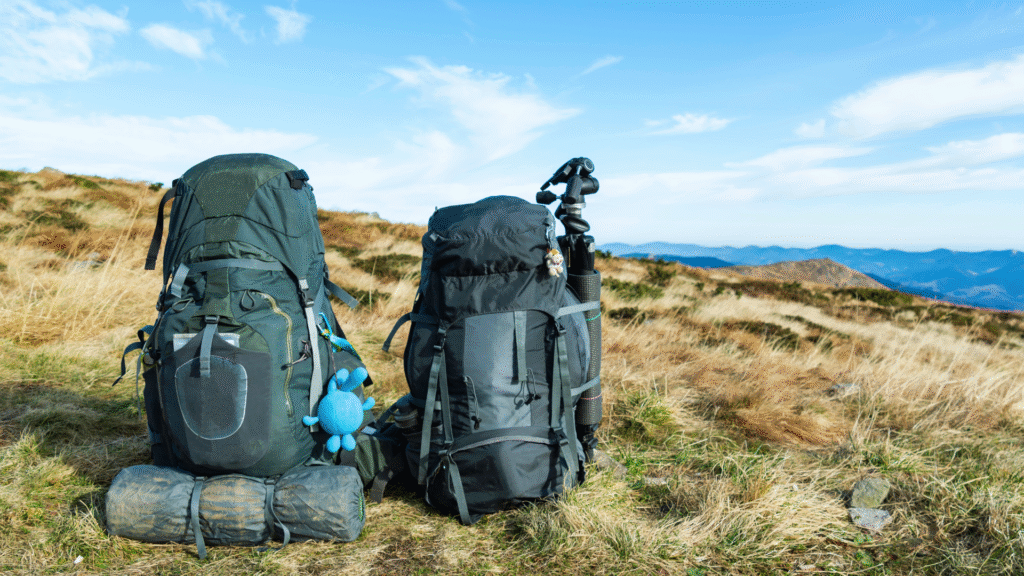
Packing efficiently for a multi-day hike is essential for a successful and enjoyable outdoor experience. Choosing the right gear and organizing supplies can significantly lighten the load and enhance mobility. He or she who packs wisely will find that a well-structured backpack can make the difference between a rewarding adventure and a cumbersome trek.
The key to effective packing lies in understanding the essentials versus non-essentials. Prioritizing lightweight materials and consolidating gear can save space and weight. By planning meals and selecting multi-functional items, hikers can create a compact and functional packing list that meets their needs.
Furthermore, utilizing packing techniques, such as layering and compression, can maximize space within the backpack. This not only helps in carrying items comfortably but also in accessing them easily during the hike. Streamlined packing allows hikers to focus more on the journey and less on their burdens.
Critical Gear Selection and Lightweight Essentials
Efficient packing for a multi-day hike hinges on selecting critical gear that balances functionality and weight. Each item plays a pivotal role in comfort, safety, and ease of travel.
Choosing the Right Hiking Backpack
A lightweight backpack is essential for any hiker. Look for backpacks that range between 40 to 60 liters, optimizing space without excessive weight. Features like padded hip belts and adjustable straps enhance comfort while distributing weight effectively.
Key Backpack Features:
- Weight: Aim for under 3.5 pounds.
- Hydration Compatibility: A reservoir sleeve can be a useful addition.
- Multiple Compartments: Helps in organizing gear efficiently.
Assess the fit carefully. A good backpack should sit comfortably on the hips and should not shift during movement, ensuring a stable carry throughout the hike.
Selecting a Lightweight Sleeping System
Choosing a lightweight sleeping system is crucial for restful nights on the trail. Opt for a lightweight sleeping bag rated appropriately for the conditions, using high-quality materials like down for insulation.
Sleeping Bag Considerations:
- Temperature Rating: Ensure it suits expected nighttime temperatures.
- Compressibility: A bag that compresses well is easier to pack.
Additionally, a compact sleeping pad adds comfort and insulation from the ground. Consider options that inflate quickly and have durable, lightweight materials.
Prioritizing Shelter and Emergency Shelter Options
Shelter is a primary concern for any hiker. A backpacking tent can provide reliable protection from the elements and should ideally weigh less than 5 pounds. If weight is a priority, consider a bivy sack, which offers minimal coverage and packs down small.
Emergency Shelter Options:
- Tarps: Lightweight and versatile for various conditions.
- Emergency Mylar Blankets: Compact and useful for warmth in emergencies.
Investing in a quality tent will enhance the overall experience, but understanding emergency options can also prevent problems during unexpected conditions.
Must-Have Emergency and Safety Gear
Bringing essential emergency gear can save lives. Every hiker should pack a first-aid kit tailored to individual needs, including items for common injuries like cuts or blisters.
Recommended Emergency Supplies:
- Multi-tool: Handy for gear repairs or food preparation.
- Headlamp: Effective for night navigation or emergency situations.
Additional items include a whistle, signaling devices, and fire-starting tools. These lightweight essentials ensure preparedness in unforeseen circumstances, allowing for a more secure hiking experience.
Smart Clothing and Personal Protection Choices
Choosing the right clothing and personal protection items is crucial for comfort and safety during a multi-day hike. Proper layering, weather readiness, suitable footwear, and personal protection gear play significant roles in ensuring a successful trip.
Layering and Insulating Techniques for Varying Weather
Layering is essential for regulating body temperature. A base layer should wick moisture away from the skin, keeping hikers dry. Materials like merino wool or synthetic fabrics are effective for this purpose.
Next, an insulating layer retains heat. Fleece jackets or down vests serve well here, as they provide warmth without excessive bulk.
Finally, an outer layer protects against wind and rain. A waterproof and breathable jacket is ideal for unpredictable weather. This combination allows for easy adjustment based on changing temperatures and activity levels.
Rain and Weather Preparedness
Preparation for rain is vital. A high-quality rain jacket should be lightweight, compact, and breathable. It should have features like adjustable hoods and cuffs for a snug fit.
Packing a rain cover for backpacks protects gear from getting wet while ensuring easy access to essentials.
Additionally, utilizing waterproof bags for items such as electronics and clothing can prevent damage. Consider also carrying quick-drying clothing for maximum efficiency if rain is expected.
Footwear and Trekking Pole Selection
Choosing the right footwear impacts performance significantly. Hiking boots should provide adequate ankle support, traction, and fit to prevent blisters. Look for boots made of breathable materials with a waterproof lining to keep feet dry.
Trekking poles offer stability and help reduce strain on joints during long treks. Lightweight, collapsible models are ideal for multi-day hikes. Adjusting pole length to maintain proper form is essential for efficiency and comfort.
Personal Protection Items
In addition to clothing and footwear, personal protection items are vital. Applying sunscreen protects against UV exposure, especially at higher altitudes where sun intensity increases.
Bug spray is crucial in areas prone to insects, ensuring a more enjoyable hiking experience. Look for repellents containing DEET or picaridin for effective protection.
Other items to consider include a first aid kit, sunglasses, and a hat for sun protection. Each of these elements contributes to a safer and more comfortable hiking experience.
Backpack Organization and Efficient Packing Methods
Effective backpack organization is crucial for a multi-day hike. It enhances weight distribution and ensures easy accessibility to gear as needed.
Packing Structure: Weight Distribution and Accessibility
When packing a backpack, it’s essential to distribute weight evenly. Heavier items should be placed close to the back and near the center of gravity. This arrangement helps maintain stability while hiking.
Light items can go in the outer compartments. This strategy keeps essentials like snacks and an emergency first aid kit within easy reach. Adjust the load frequently as items are consumed to optimize balance.
Using compression straps can further stabilize the load. They minimize shifting during movement, reducing fatigue over long distances. Proper weight management can lead to a more enjoyable hiking experience.
Utilizing Packing Cubes and Dry Bags
Packing cubes and dry bags help keep gear organized. Packing cubes allow for efficient categorization of clothing and small items, making it easy to find what is needed quickly.
Dry bags are essential for protecting gear from moisture. They are especially beneficial in unpredictable weather conditions. Important items like clothing and sleeping bags should be stored in these bags to ensure they remain dry.
Combining both types of organizers enhances packing efficiency. It provides a structured way to pack while ensuring essential items stay accessible. For example, a designated cube for the first aid kit can streamline access during emergencies.
Organizing Navigation and Hydration Tools
Proper organization of navigation and hydration tools is vital for any multi-day hike. A hydration reservoir should be easily accessible. It allows for hands-free drinking while on the move.
Maps and compasses should be stored in an outer pocket for quick access. Keeping navigation tools organized can prevent delays and confusion during the hike. A small pouch can also hold additional navigation tools like a GPS device.
Using a daypack for short hikes can add flexibility. It can carry lunch, extra layers, and personal items while leaving the main pack for overnight gear. This separation helps maintain organization throughout the trip.
Food, Cooking, and Planning for Multi-Day Hikes
Proper planning for food, cooking, and hydration can significantly enhance the experience of multi-day hikes. Selecting lightweight, nutritious meals and effective cooking gear lays the foundation for a successful trip. Water sourcing strategies are equally vital for maintaining health and stamina on the trail.
Lightweight Meal and Snack Planning
When planning meals for multi-day hikes, dehydrated meals are a popular choice. They provide essential nutrients without adding unnecessary weight. A typical meal should include a good balance of carbohydrates, protein, and fats for sustained energy.
Examples of Lightweight Meals:
- Breakfast Options: Instant oatmeal or granola with dried fruit.
- Lunch Ideas: Tortillas with nut butter or hard cheeses.
- Dinner Selections: Dehydrated pasta, rice with vegetables, or quinoa bowls.
Snacks play a crucial role in maintaining energy levels. Dried fruits, nuts, and energy bars are excellent choices. These snacks are calorie-dense and can easily be eaten on the move.
Efficient Food Storage and Cooking Gear
Choosing the right cooking gear can minimize weight while maximizing efficiency. A compact stove, lightweight cookware, and a reliable fuel source are essential for any backpacking trip.
Recommended Cooking Gear:
- Stove: Canister stoves are lightweight and boil water quickly.
- Cookware: A titanium or aluminum pot can serve multiple purposes and weighs much less than traditional materials.
- Utensils: A spork or multi-tool can reduce carrying extra items.
Food storage is vital to keeping meals fresh and preventing spoilage. Use resealable bags or lightweight containers to store dehydrated meals and snacks. A bear canister or odor-proof bags can be essential in areas with wildlife.
Water Sourcing and Filtration Strategies
Finding water is critical during a multi-day hike. Carrying sufficient water can add unnecessary weight, so knowing water sources along the route is beneficial. Streams, rivers, and lakes are potential sources but require filtration for safety.
Options for water filtration include:
- Pump Filters: Often reliable and can filter larger volumes quickly.
- Gravity Filters: Require less physical effort and work well for multiple liters.
- Chemical Treatments: Tablets are lightweight but take time to neutralize pathogens.
Carrying a backup method, such as purification tablets, can ensure safe drinking water. Staying hydrated is essential for maintaining energy and focus during physical exertion.